Posts
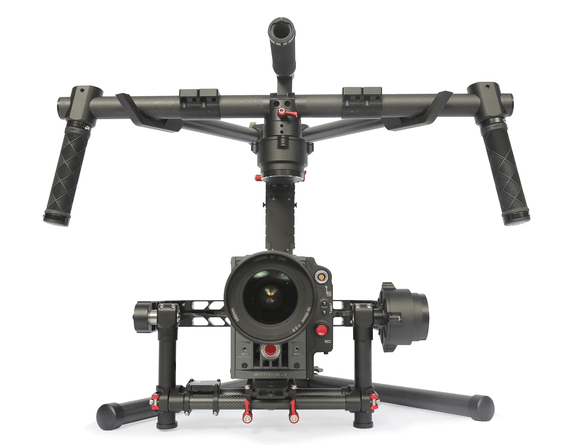
DJI Ronin
85,000 British Pathe newsreels on YouTube
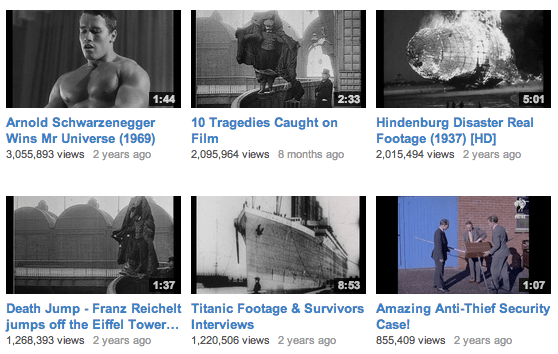
Huge resource of vintage footage:
British Pathé was once a dominant feature of the British cinema experience, renowned for first-class reporting and an informative yet uniquely entertaining style. It is now considered to be the finest newsreel archive in existence. Spanning the years from 1896 to 1976, the collection includes footage — not only from Britain, but from around the globe – of major events, famous faces, fashion trends, travel, sport and culture. The archive is particularly strong in its coverage of the First and Second World Wars.
Free to download for educational use.
Millions of historical images at DPLA
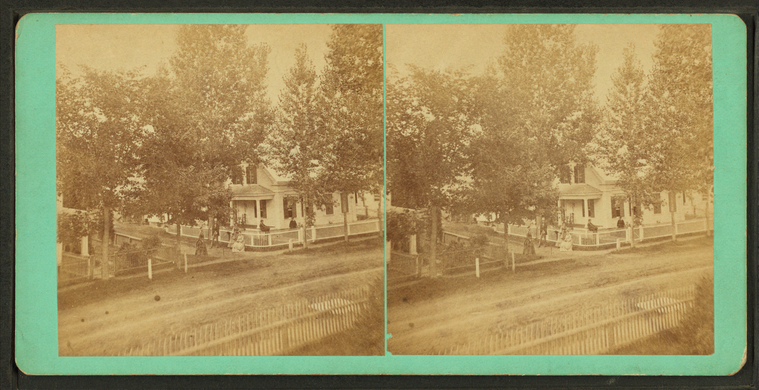
(above, Brunswick stereoscope)
Could be very useful for Ken Burns-style montages in documentaries.
ArsTechnica describes the Digital Public Library of America and provides a good introduction:
The DPLA is best described as a platform that connects the online archives of many libraries around the nation into a single network. You can search all of these archives through the digital library’s website, and developers can build apps around the DPLA’s metadata collection using the publicly available API.
It’s easy to find historical documents, public domain works, and vintage photos online through a search on the DPLA’s website, although sometimes a library will merely offer the data about an item, and retain the actual resource at the library. Still, having that data accessible through a single public portal is more useful for a researcher than having to search for it library by library.
The fledgling library said today that one of its early partners, the New York Public Library, agreed to expand access to its digital collections in the coming year. It will increase from the initial 14,000 digitized items it lent the DPLA catalog to over 1 million such records.
Monday. High Noon.
Either as
- an mp4/mov on a flashdrive in my hand,
- a Dropbox link emailed to me, or
- posted on YouTube with an emailed link to me.
True Detective single take tracking shot
Six minutes. Background on how they did it is here and here. Imagine being the focus puller on this shot.
“Camera work” in this animation is elegant
Generic Brand Montage + the real thing
Rule of thirds, plus
Good tips on framing, use of B-roll, and natural sound. Jump to 3:03 to start.
How to shoot b-roll
By far the most used documentary format combines narration or commentary of some kind with interviews and b-roll cutaways or fill shots.
The a-roll shots are the master shots. These are shots of the person or people telling the story (or components of the story) either direct to camera or in an informal or formal interview situation or as a part voice-over.
The b-roll shots are the cut-away or fill shots that is the secondary footage to enhance and complement the spoken part of the narrative. B-roll shots are generally video only (no audio). B-roll shots can be shot gradually and not in sequence. However be sure to pay attention to continuity, light, time of day, etc.
These cutaway or fill shots are generally made up of the following:
- locational footage — should establish the location and introduce aspects of the story. These shot sequences should help tell your story by establishing a location. They are shots that grab the attention of the viewer. Examples include wide or establishing shots of streets, buildings or landscapes, close-ups of signs, approach (moving) shots, entry shots (people entering or exiting door, train, car), groups of people at a demonstration, interaction shots, interior shots and other general locational shots.
- character footage — should help provide tone, emotion and mood. These are shots of the main character or characters in the film. They should be shot in the context of the story, and complement voice-over narrative or interviews. In these shot sequences try and use as many close-up, reaction or emotion shots as possible. A smile or a frown, people hugging, solitary shots, a close up of a hand holding something, 2 people holding hands. POV shots can help, like what someone is holding or looking at.
- process footage — these are shots of the film-maker or narrator taking an active role in the film and are shots of how he or she is interacting aspects of the film. Shots may include nods and reactions to interviews, comments to camera about what’s going on or about to happen.
- earlier time — archive footage may be obtained from online data-banks, libraries and other government organizations or agencies. It may include old photos or music.
Individual shot sequences from the above categories can be effectively combined or cut together. The most important thing is to get as much cutaway coverage (footage) to effectively tell your story.
 Understanding Film