David Mamet on making it interesting

David Mamet, big shot playwriter/screenwriter/director/all-round obnoxious guy, wrote a famous memo to a bunch of screenwriters that included the following (typically, ALL-CAPS, because he’s an in-your-face kind of guy):

THE AUDIENCE WILL NOT TUNE IN TO WATCH INFORMATION. YOU WOULDN’T, I WOULDN’T. NO ONE WOULD OR WILL. THE AUDIENCE WILL ONLY TUNE IN AND STAY TUNED TO WATCH DRAMA.

<clip>

EVERY SCENE MUST BE DRAMATIC. THAT MEANS: THE MAIN CHARACTER MUST HAVE A SIMPLE, STRAIGHTFORWARD, PRESSING NEED WHICH IMPELS HIM OR HER TO SHOW UP IN THE SCENE.

THIS NEED IS WHY THEY CAME. IT IS WHAT THE SCENE IS ABOUT. THEIR ATTEMPT TO GET THIS NEED MET WILL LEAD, AT THE END OF THE SCENE,TO FAILURE – THIS IS HOW THE SCENE IS OVER. IT, THIS FAILURE, WILL, THEN, OF NECESSITY, PROPEL US INTO THE NEXT SCENE.

ALL THESE ATTEMPTS, TAKEN TOGETHER, WILL, OVER THE COURSE OF THE EPISODE, CONSTITUTE THE PLOT.

This is true of documentaries as well. (Full memo is here.)

Related: Kurt Vonnegut on plots-people-like:

Beasts, Visual FX

Beasts

An interesting part of this interview at Bygone Bureau was that the Beasts of the Southern Wild VFX people used the opposite of an anti-shake algorithm — they mapped handheld shake that they liked onto clips that weren’t shakey enough:

It was all shot handheld. No tripods. The whole thing is intentionally jerky. We would actually capture a bunch of that jerky motion, and use it to shake shots that were too smooth. Using the computer, you can track objects in a shot, just like we did with sandwich box in the hot tub, and use that data to control the steadiness of another shot. So, a lot of the work I did was actually making the movie shakier.

Midterm

Come to the exam with a flash drive loaded with one film you did for the course this semester, in two versions:

  1. the version you showed the class
  2. a revised version with (lots of) improvements

We will (try to) see all the videos, so it’s important that you have your flash drive ready.

Surprise + non-diegetic sound

Watch this short stop-action, paying attention to how the film gets you to wonder “What’s going to happen next?”

Assignment: make a 2+ minute film in which, at least once, you consciously aim to create in the audience the feeling/thought of

  1. anticipating something and then
  2. giving/not giving it to them in a way that’s surprising.

An easy way to approach this is to build off of a sequence of actions that we already understand (e.g., making guacamole).

(The New York Times this week has an article on how to do this surprise thing, as suspense.)

In addition, it’s time to learn how to use “non-diegetic” sound effects, i.e., sounds that would NOT be heard if you were there in the scene in real life.* Have a minimum of 3 in this new film.

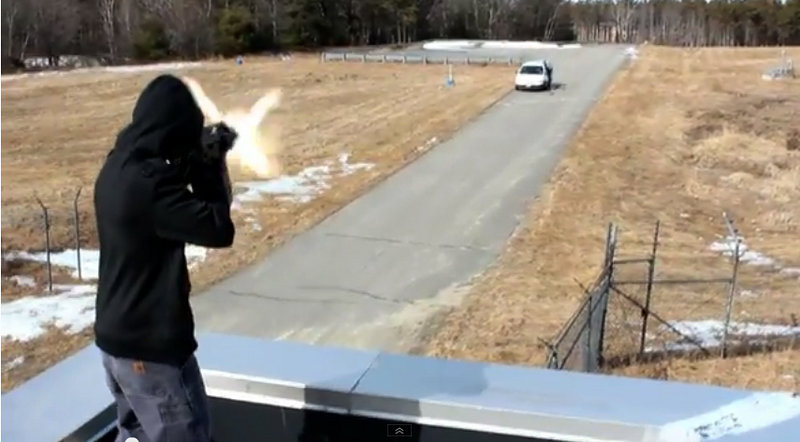
Limitation: no turning things into guns or bombs. Too easy, too obvious. It would be great if some people went for “subtle” (e.g., roulette wheel rumble in Lola) instead of stupid/funny (not that there’s anything wrong with stupid/funny…)

Due: first class day after vacation

Quick tutorial:

There are lots of effects and sounds in iMovie, and thousands more online.

Old clip that would satisfy the assignment if it included two more sound effects:

Notice how this uses cutaways to a second person observing the action as a placeholder for ourselves in the audience.

Old cat clip that would satisfy the assignment, albeit kind of non-interestingly:

__________________

* “Non-diegetic sound” obviously includes all movie soundtracks that the people in the scenes would not actually be hearing, but we’re not going to count such music for this assignment. Just added sound effects.